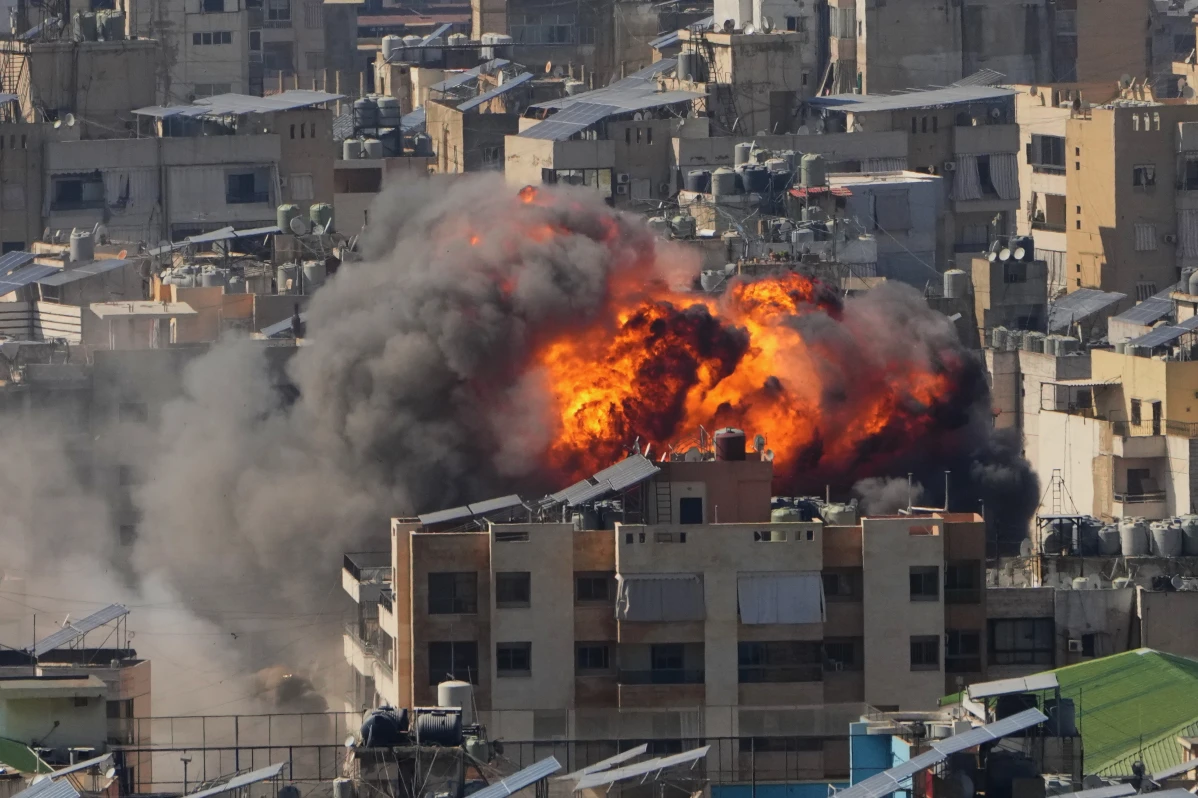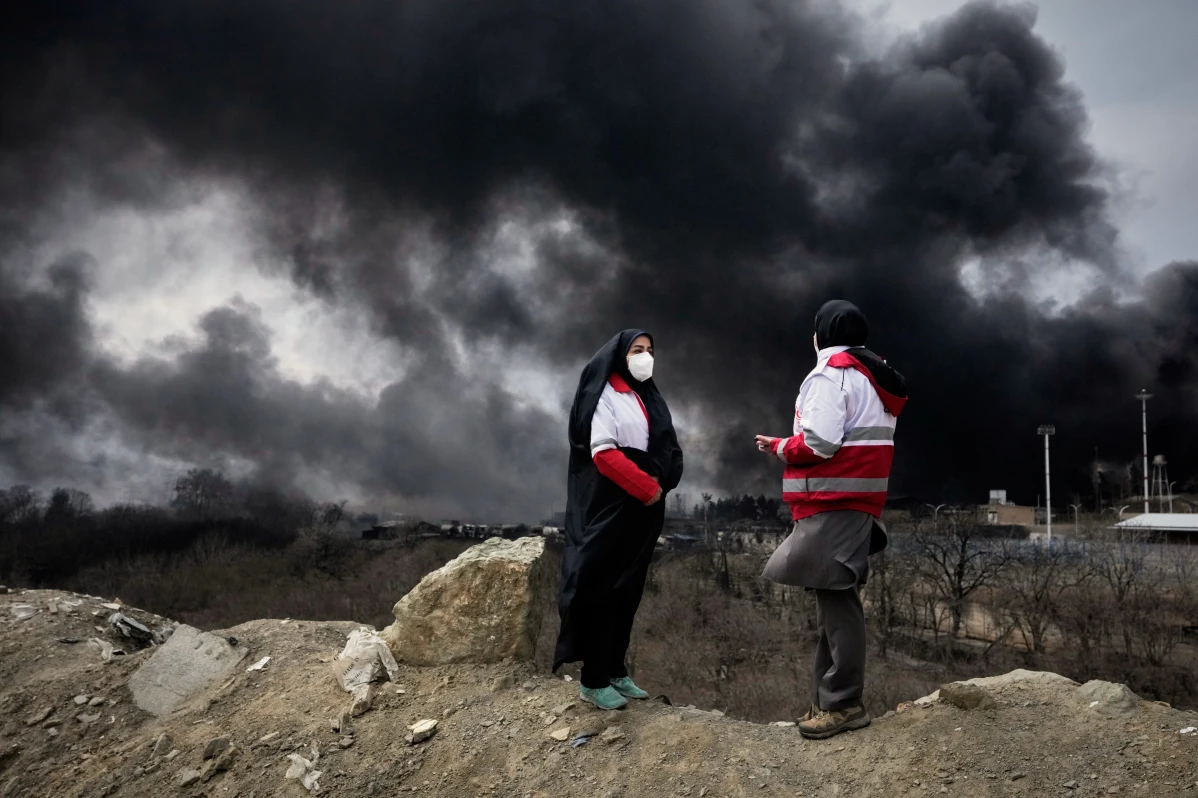
On Feb. 28, the United States and Israeli military forces carried out coordinated strikes on Iran. While tensions between the U.S. and Iran are not new, direct U.S. involvement has been limited until now. Although the conflict may seem distant, it could still affect Americans at home through rising inflation, higher gas prices and potential shifts in the strengths of the U.S. dollar.
The history behind U.S.-Iran tensions
To understand U.S. involvement in the Israel-Iran conflict, it is important to look at the long and complicated history between the United States and Iran. In 1953, under former President Dwight D. Eisenhower, the U.S. helped lead a coup that overthrew Iran’s democratically elected prime minister, Mohammed Mosaddeq, after he attempted to nationalize Iran’s oil industry. The U.S. strongly opposed this move, fearing it could inspire other countries to nationalize their own oil industries and potentially push Iran toward Soviet influence during the Cold War.
However, this intervention later contributed to growing resentment toward the United States. During the 1979 Iranian Revolution, anti-American sentiment escalated due to the U.S. influence previously held in Iran’s government. The revolution restructured the Iranian government, as the people of Iran overthrew the U.S.-backed Shah (Persian for king) who was previously put into place. That same year, Iran seized the U.S. embassy in Tehran, holding 52 Americans hostage for 444 days.
Following the hostage crisis, tensions between the two countries continued into the 21st century. Disputes over Iran’s nuclear program, economic sanctions, and proxy conflicts across the Middle East have kept relations strained for decades. Oil has consistently remained a key factor in the relationship, as Iran produces roughly 3% of the world’s oil supply.
Iran and Israel’s opposition
The Iranian Revolution of 1979 didn’t only create resentment towards the U.S., but Israel as well. During Israel’s establishment, more than 700,000 Palestinians were forcibly displaced. The Iranian Revolution recognized, what they believed to be, the unjust dispossession of the Palestinian people. The, then, new supreme leader of the Islamic Republic of Iran, Ayatollah Ruhollah Khomeini, dubbed the United States the name “Great Satan,” and Israel as “Little Satan.”
Iran has since supported Hezbollah and Hamas, both groups that oppose Israel. Hezbollah, located in Lebanon, was created to fight the Israeli occupation in southern Lebanon. Hezbollah has been firing rockets into northern Israel since the war in Gaza began this past October. Hamas, located in Palestine, led the October attack on southern Israel that triggered the war in Gaza.
Additionally, Iran has also continued to support the Houthi rebels in Yemen and the Syrian regime of President Bashar Assad. Both these groups have contributed to the support of Hamas. Houthi rebels have launched missile strikes on Israel near the Red Sea and targeted shipping vessels. Syria has been rumored to have helped Hezbollah ship missiles, by using Syrian territory to help transport weapons to Lebanon for Hezbollah.
U.S. and Israel’s alliance
The United States and Israel have been close allies since the country’s founding, with the U.S. being the first nation to officially recognize Israel as its own country. Over the decades, the U.S. has provided Israel with billions of dollars in military aid and defense funds. Today, Israel is the largest recipient of U.S. foreign assistance. Politicians from both parties have historically viewed Israel as a key ally because of its strategic location, military partnership and democratic government. Advocacy groups such as AIPAC (American Israel Public Affairs Committee) also play a significant role in U.S.-Israel relations, serving as a major political donor and consistently lobbying Congress to maintain strong support for Israel.
Why the U.S. got involved
Beyond the U.S. alliance with Israel, the United States has been long concerned about Iran’s nuclear program. In 2015, former president Barack Obama negotiated the Joint Comprehensive Plan of Action with Iran and several other world powers. The deal required Iran to limit its nuclear program, reduce uranium enrichment, and allow international inspections of its nuclear facilities. In exchange, the U.S. and other countries lifted economic sanctions on Iran. The negotiation was an attempt to restrict Iran from developing a nuclear weapon, and in turn avoiding war.
In 2018, President Donald Trump withdrew from the agreement. Trump claimed the deal was “defective” and only delayed Iran’s nuclear ambitions rather than permanently stopping them. The sanctions on Iran resumed and Iran gradually stopped following parts of the agreement, increasing their uranium enrichment. Negotiations over new limits on Iran’s nuclear program were on and off for years but a replacement agreement never came to fruition.
Iran’s nuclear activity is one of the major reasons the United States decided to become involved in the Israel-Iran conflict. In a statement defending the U.S.’s strikes on Iran, President Donald Trump said he’d, “ensure that Iran does not obtain a nuclear weapon.”
Additionally, President Trump has suggested that there is a broader goal of weakening Iran’s current regime. Iran’s Supreme Leader Ayatollah Ali Khamenei was killed in a major attack by Israel and U.S. forces. When announcing his death, President Trump said it gave Iranians the “greatest chance” to “take back” Iran. Weakening Iran’s government and military capabilities could limit the country’s nuclear power, reduce its influence in the Middle East and increase U.S. influence over Iran’s oil industry.
President Trump authorized strikes without formal congressional approval, but Attorney General Merrick Garland cited the War Powers Resolution. This law, which some argue is unconstitutional, requires the executive branch to inform Congress of hostility even without prior approval.
Iran’s oil
Iran’s oil supply is located near the Strait of Hormuz, a narrow shipping route where nearly 20% of the world’s oil passes each day. If the conflict in the region disrupts shipping through the strait, oil supplies can tighten quickly. When oil prices rise, gas prices in the United States typically follow, meaning Americans may begin to see prices rise at the gas pump.
Not only would gas prices see a spike in cost, higher fuel costs increase the cost of transportation and shipping. This means everyday goods could see a price hike because of the cost of transportation.
The value of the U.S. dollar
While conflicts in the Middle East can create economic uncertainty, economists say they are unlikely to significantly weaken the value of the U.S. dollar. In many global crises, investors actually move their money into the dollar because it is considered one of the world’s safest currencies.
What this means going forward
While the conflict between the United States and Iran is unfolding thousands of miles away, its economic effects can still reach Americans at home. Rising oil prices and inflation may affect gas and everyday goods, while continued U.S. involvement raises questions about the balance of power between the executive branch and Congress. Moving forward, U.S. leaders will have to weigh national security and economic consequences. For now, it doesn’t seem as though an end is in sight with larger strikes being promised every day and seven American troops dead at the time of this publishing.