Students enrolled in the University of Wisconsin-La Crosse pay thousands of dollars each semester in tuition and fees to attend the university. Tuition costs support academics, but the segregated fee category cannot support any credit-bearing activity, meaning it funds activities and organizations outside of the classroom.
“Segregated fees are specifically designed to supplement or augment that [out of classroom] experience for students and provide some of these other really important experiential opportunities,” said Emily Roraff, interim chief human resources officer.
For the 2025-26 school year, all undergraduate students will be charged $10,533.58 in tuition and fees. The largest portion, $8,749.92, goes towards tuition and $173.92 to textbook rental. That leaves $1,609.74 for segregated fees.
Segregated fees are then divided into two categories, allocable and non-allocable. A breakdown of both allocable and non-allocable segregated fees can be found here, and the segregated fee budget operates in accordance with UW System Policy 820. Section five provides a detailed description of the difference between allocable and non-allocable fees.
Non-allocable fees support operations that have long-term, permanent operating expenses and permanent staff. University leadership is heavily involved in the non-allocable budget process with students able to give their input by voting on the budget as referendums.
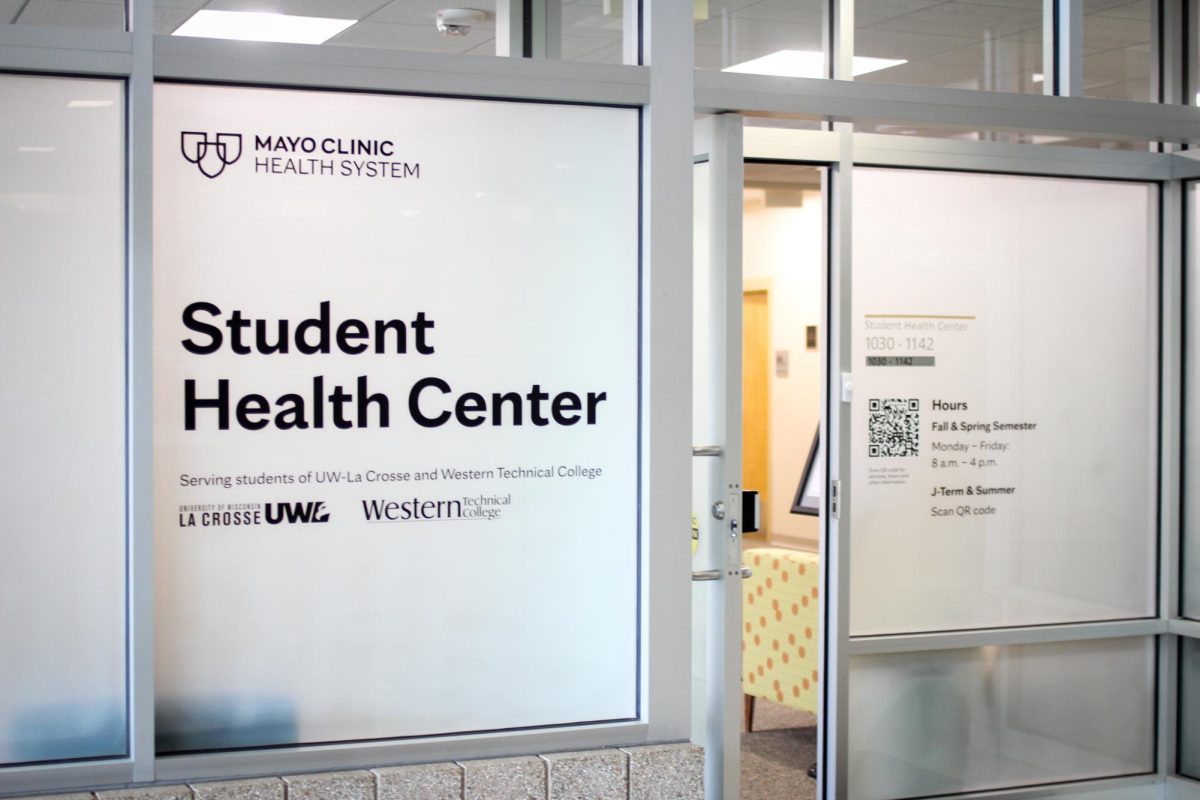
The non-allocable fee budget supports transit, intercollegiate athletics, the Student Union, the Veterans Memorial Stadium Sports Complex, the Hetzel Fieldhouse, the Recreational Eagle Center, the Child Care Center, the Counseling & Testing Center, the Student Health Center and municipal services.
Allocable fees are divided into an organized activity budget and environmental sustainability budget. These budgets are overseen by the Segregated University Funds Allocation Committee (SUFAC) made up of student and faculty members. This gives students a larger say in how the money is spent.
SUFAC Chair Grant Hohman said, “We’re paying for it. It’s coming out of our tuition, so we should have a voice in the matter.”
For the 2025-26 school year, SUFAC received a budget of $310,601 for organized activities and $103,007 for environmental sustainability, which is also known as the Green Fund. SUFAC then allocates the budget to different organizations and committees around campus. For detailed information on the allocable budget process, review the SUFAC bylaws.
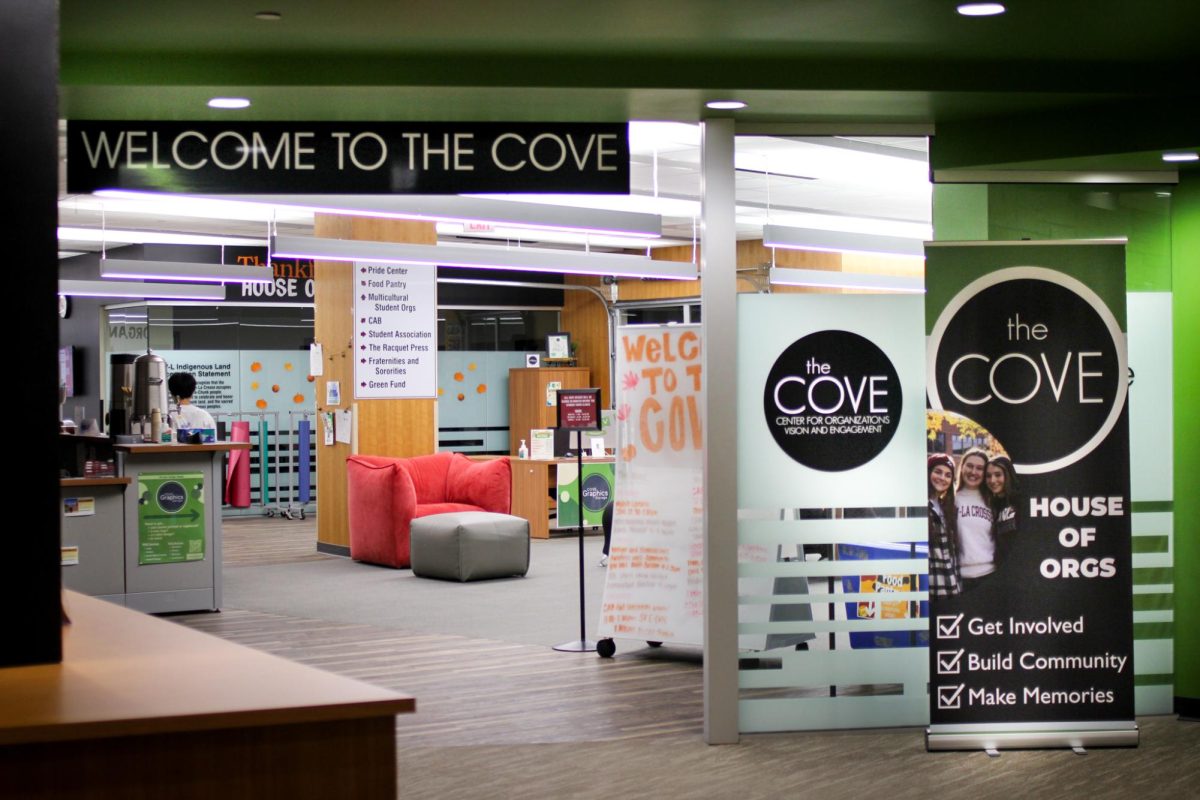
The committees and organizations receiving funds through SUFAC include Student Association, art exhibition, multicultural events, The Racquet Press, graduate activities programs, women’s studies program, abilities awareness program, international student programs, sports clubs, student leadership support program, LGBTQIA+ programs, the distinguished lecture series, environmental sustainability (separate from the Green Fund) and the Campus Activities Board (CAB).
Each organization or committee gives a budget presentation to SUFAC, and then SUFAC determines their annual budget. The budget is then approved or denied by Student Senate, and if it is denied, it returns to SUFAC for revisions.
The speaker program and capital fund are two additional categories included in the organized activities budget. The speaker program brings different speakers to campus, and organizations can apply for money from the capital fund on top of the budget they receive if they need extra materials or funding for a specific activity.
If students are interested in getting involved in the budget process, the SUFAC committee does include at-large members. Most student members also serve as senators on Student Association, but there is a mix of people from all different majors and colleges on campus.
“It’s a good melting pot of people, and it includes a great level of discussion,” Hohman said.
All undergraduate students pay segregated fees, whether or not they utilize the activities and organizations that are funded by them is up to the student.
“It enriches the on-campus experience for our students. It helps them get engaged in a meaningful way,” said Vice Chancellor of Student Affairs, Vitaliano Figueroa. “It provides a holistic experience