As immigration continues to be at the forefront of national attention and dispute, local La Crosse spaces have started to share information to help immigrants navigate this period in time.
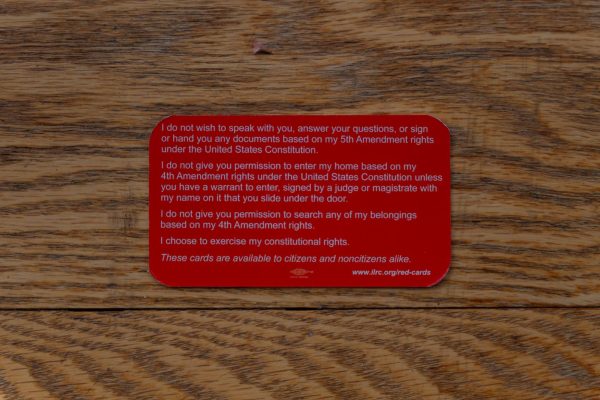
Community organizations and local businesses are serving as a place where educational materials can be shared to help immigrants when encountering Immigration and Customs Enforcement (ICE). Items such as “Know Your Rights” cards, legal hotline numbers and pamphlets are being provided to give guidance on how to respond to immigration enforcement encounters.
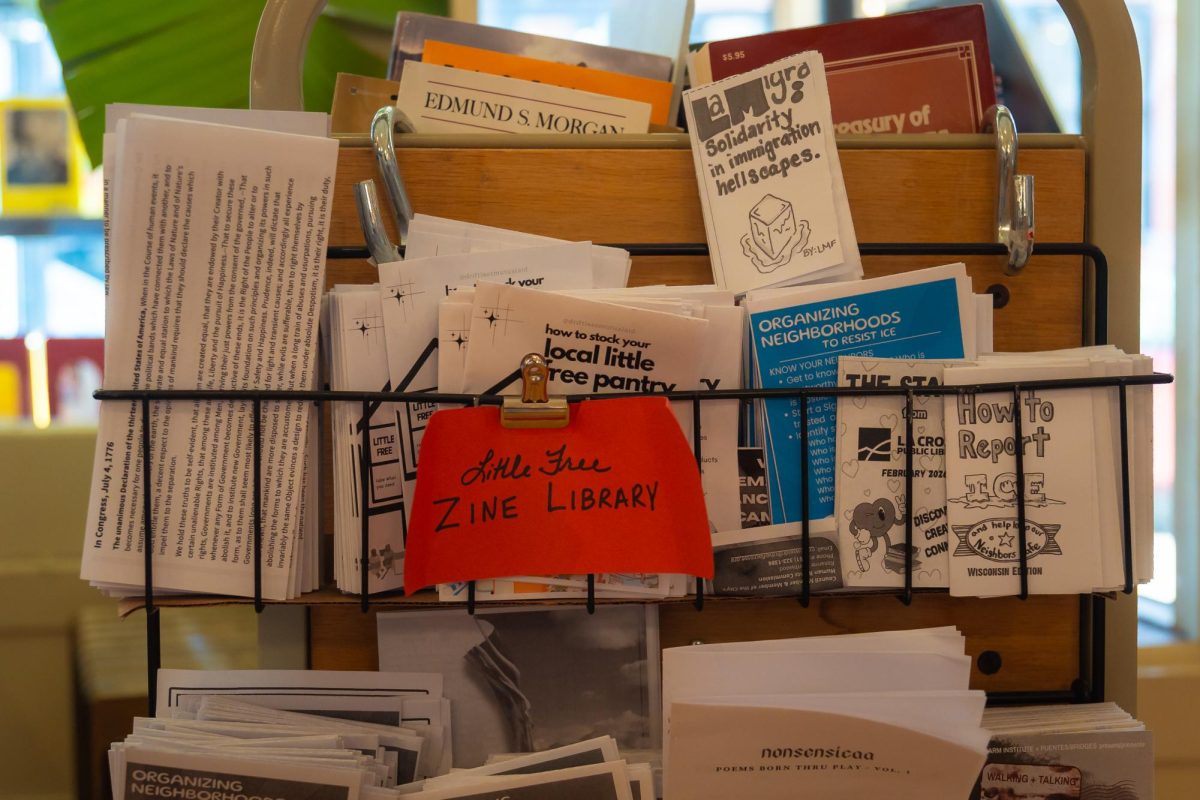
There are several locations in La Crosse where residents can find these resources. Pearl Street Books is one of them. On a cart located near the checkout counter is a variety of materials, including books, pamphlets, and cards. Among these are resources titled “How to Report ICE” and “Organizing Neighborhoods to Resist ICE.”
The Root Note and Larson’s General, along with community spaces such as Murphy Library at UWL and organizations near the Viterbo University campus, provide similar resources.
Efforts have also been made to make these spaces feel safe. Some locations display signs informing federal officers that a warrant is required to enter the building, along with other signage expressing support for immigrants.
Supporters of the movement say materials such as the “Know Your Rights” cards are meant to educate immigrants about their legal protections. The cards provide instructions and suggested phrases individuals can use if approached by an immigration officer. They also outline key legal rights, including the right to remain silent and the right to ask for a warrant.
Along with physical resources, local organizations also host educational events. Driftless Mutual Aid recently hosted a bystander intervention and de-escalation training in La Crosse at The Nature Place. The training focused on teaching how to safely respond to public incidents, and support individuals who may be experiencing harassment or encounters with immigration enforcement.
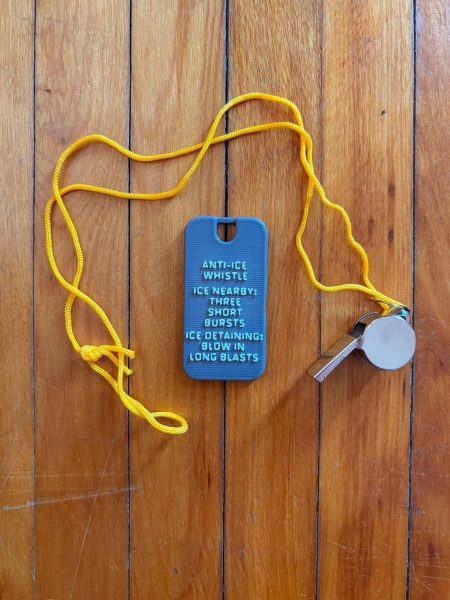
To go along with the training during this event, participants were given “ICE whistles.” These whistles are intended to alert nearby community members if immigration enforcement activity is taking place. Supporters say the goal is to encourage witnesses and documentation of interactions with immigration officials, while also helping neighbors quickly notify others in the area.
Advocates say these resources are not meant to interfere with law enforcement but to ensure people understand their legal rights and available support.
Organizations such as Catholic Charities and other regional immigration assistance groups also provide legal guidance and services for individuals navigating immigration questions.
Readily accessible information in familiar locations can make it easier for people to learn about their rights and understand what resources are available to them. By having these materials in places like coffee shops, bookstores and community centers, the hope is to make information accessible to those who may need it.